
Backup Power
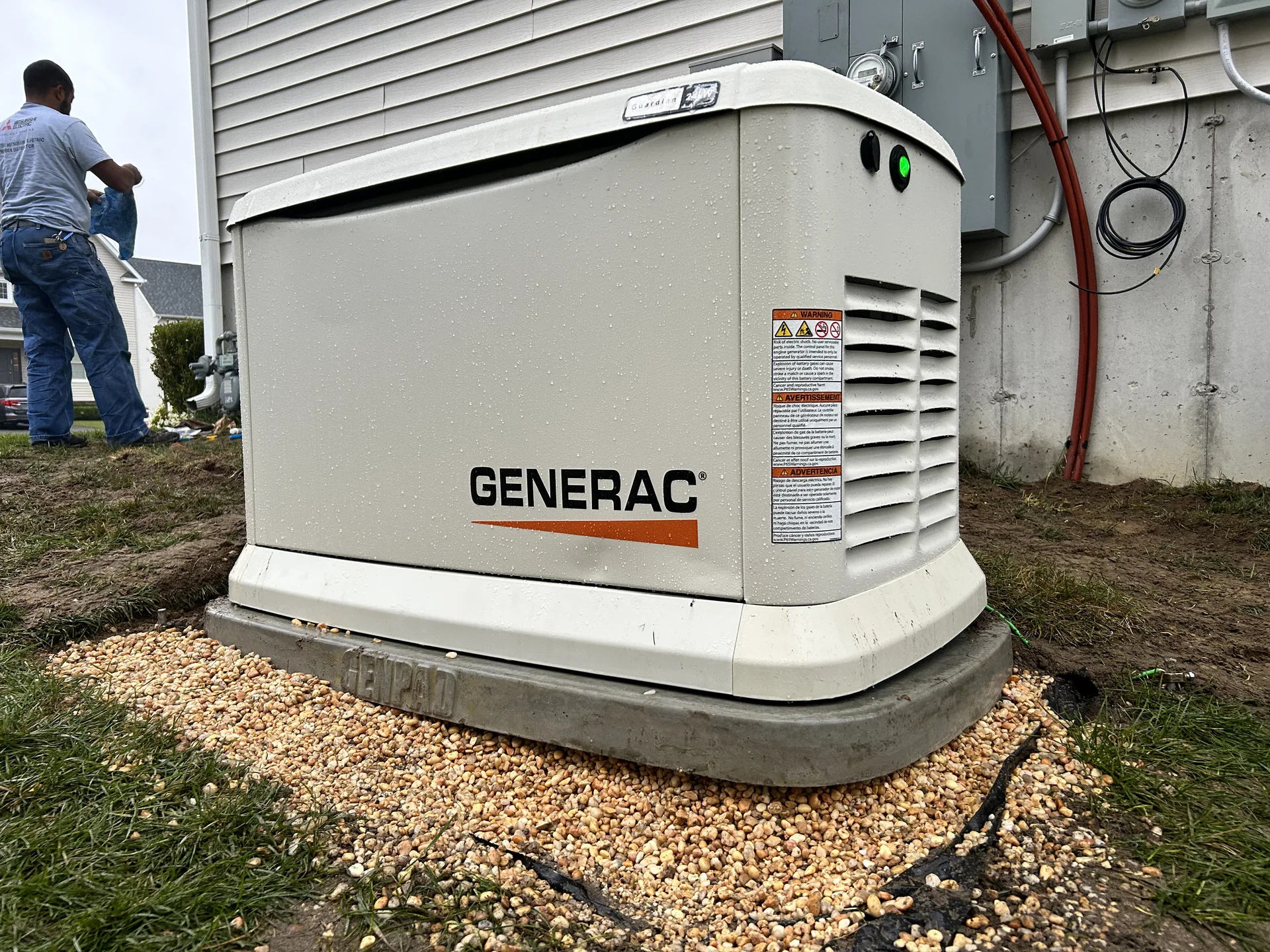
Generator Installation in Brick, NJ for Reliable Backup Power
Portable generator hookups and whole-home backup systems, wired safely to your panel by a locally owned Ocean County electrical contractor.
Get a Free Estimate
Home Backup Power and Generator Installation in Brick, NJ
JL General Electric Services handles generator installation Brick NJ families can count on when the lights go out. We connect portable generators through power inlets and interlock kits, install transfer switches, and wire whole-home backup generators to your electrical panel. Call (732) 621-0778 for a free estimate.
Coastal storms and high winds can knock out power across the Jersey Shore, sometimes for days. A proper connection lets you run the heat, the refrigerator, a sump pump and the lights without cords snaking through a window or a door left open in bad weather.
We serve homeowners in Brick Township and throughout Ocean County. Generator work often ties into other jobs, and our full range of residential electrical services covers the panel, the circuits and the outlets that a backup system depends on.
Signs Your Home Is Ready for a Generator Hookup
Many homeowners buy a portable generator after one long outage, then realize they have no safe way to connect it. A proper setup makes sense if any of these sound familiar:
- You run extension cords from a generator through a window or garage door
- A sump pump keeps your basement dry, and an outage puts it at risk
- Someone at home relies on powered medical equipment
- You work from home and lose income when the power goes out
- Your freezer and refrigerator hold more food than you want to lose
- You own a generator but have never connected it to the house
A dedicated connection takes the guesswork out of an outage. With a proper generator installation in Brick NJ homes, you flip a few switches, start the generator and power the circuits you chose in advance.
What to Expect
Our Backup Generator Installation Process
Every backup system starts with a simple question: what do you need to keep running? The answer decides the size of the generator, the type of connection and how the circuits are arranged.
-
Load Review and Free Estimate
We look at your panel, ask which appliances matter most and review the generator you own or plan to buy. You get a written estimate that explains the options in plain terms.
-
Permit and Equipment Plan
We choose the inlet, interlock or transfer switch location and plan the wiring route. Generator connections typically need an electrical permit, and we file it with your township.
-
Installation and Connection
We mount the equipment, run the wiring and make the connections at your panel. The work is labeled clearly so anyone in the house can find the right breakers during an outage.
-
Inspection and Startup Walkthrough
After the township inspection, we walk you through startup and shutdown step by step. You will know exactly what to do before the next storm arrives.
Generator Power Inlet and Interlock Kits
For portable generators, the most common setup pairs an outdoor generator power inlet with an interlock on your main panel. The inlet is a weatherproof box mounted on an outside wall, where a single heavy cord from the generator plugs in. Inside, the interlock is a sliding plate that makes it impossible to turn on the generator breaker and the main breaker at the same time.
That mechanical lock is what keeps generator power from flowing back onto the utility lines. With the main breaker off and the generator breaker on, you choose which circuits to run by switching them on one at a time, keeping the total under what your generator can supply.
Generator interlock kit installation is usually the most affordable way to connect a portable unit safely. It works best when your panel has room for a generator breaker and the interlock is made for your panel model. If not, a small transfer switch may be the better fit, and we will explain why during the estimate.
Transfer Switch Installation for Whole-Home Backup
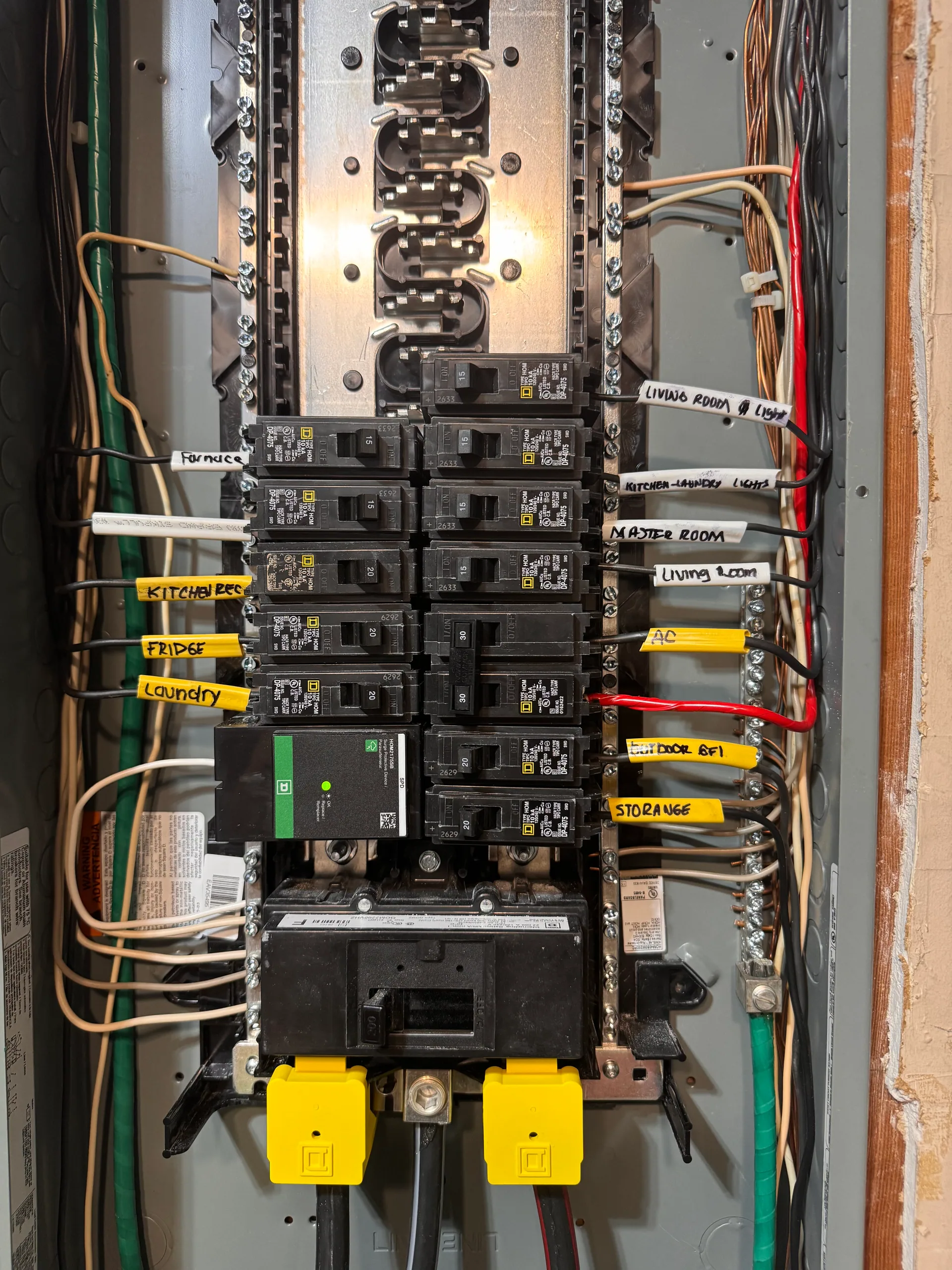
A transfer switch moves your home from utility power to generator power and back again. Manual transfer switches serve a set list of circuits that you pick ahead of time, such as the furnace, refrigerator, well or sump pump, and a few lights. Automatic transfer switches sense an outage, start a permanently installed standby generator and shift the load without anyone touching a switch.
Our transfer switch installation work includes mounting the switch beside your panel, moving the chosen circuits and wiring the connection to the generator. For whole-home backup generator installations, we size the switch and wiring to the full load of the house so central air, a well pump or an electric range can run when needed.
If your panel is older or already crowded, a backup system is a good time to look at it. Our electrical panel upgrades can give the house the room and the reliability a generator system needs.
Why Backfeeding Through an Outlet Is Dangerous
Some people connect a generator by plugging a double-ended cord into a wall outlet. This is often called backfeeding, and it is one of the most dangerous things a homeowner can do with a generator. Power can travel back through your panel onto the street lines, where it can seriously injure or kill a utility worker who believes the lines are dead.
Backfeeding can also overload the outlet, damage wiring inside your walls and destroy the generator when utility power returns. A properly installed inlet with an interlock or a transfer switch removes that risk completely. If you have been connecting a generator this way, stop and call us for a safe hookup instead.
What Affects the Cost of Generator Installation
Every home and every generator are different, so we price each job after seeing your panel. The main factors are:
- A portable generator connection compared with a whole-home standby system
- Interlock kit, manual transfer switch or automatic transfer switch
- The distance from the generator location to your panel
- The condition and capacity of your existing panel
- The number of circuits you want on backup power
- Permit and inspection requirements in your township
We start every generator installation in Brick, NJ with a free review of your panel, then show you where the money goes and which options fit your budget. Many homeowners start with a portable hookup and move to a standby system later, and we can plan the first job so it does not get in the way of the second.
Why Homeowners Trust Us With Backup Power
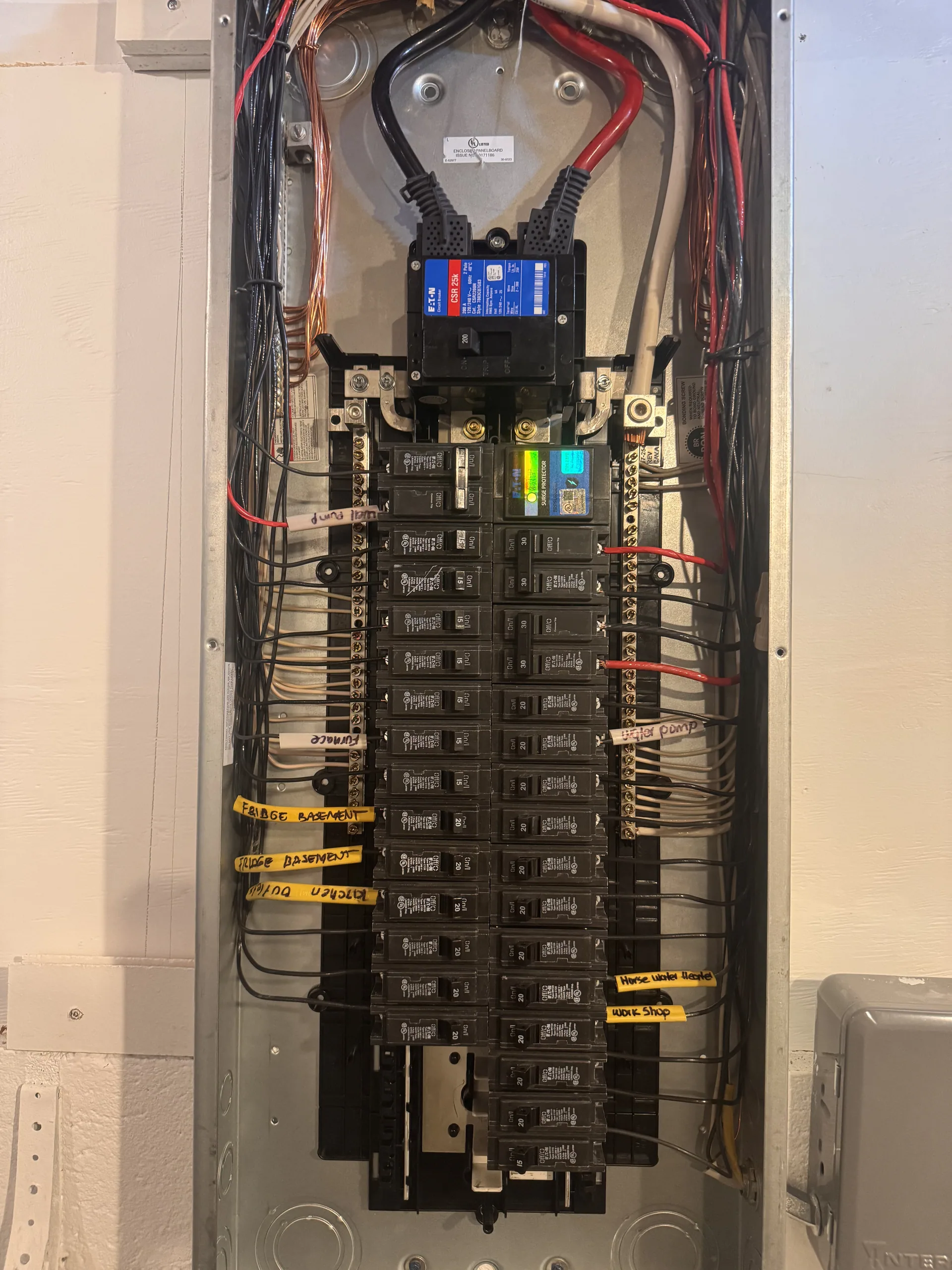
A generator only helps if it works when the power fails, and that comes down to how it is connected. We take time to review your loads, label everything clearly and test the system under real conditions before we leave. We also make sure your panel and wiring are in good shape before adding any new load. Leo Agudelo leads the work himself, so the plan and the result come from the same person.
As a locally owned company based in Brick Township, we live through the same outages our customers do. We arrive on time, explain what we find and price the work fairly, with no pressure to buy more system than you need. Our generator installation Brick NJ estimates are always free.
Backup Generator Hookups Along the Jersey Shore
Power outages hit shore towns and inland neighborhoods alike, and we connect generators for homeowners across Ocean County and the Monmouth County shore. That includes families who need a generator hookup in Point Pleasant and homeowners in Brielle, close to the water. Shore homes face wind and salt air, so we mount inlets and switches in sheltered spots with weather-rated covers.
When storms bring down trees and lines, outages can last a long time anywhere in the county. Inland, we wire backup power for homes in Manchester Township and Toms River. Wherever you are, our approach to generator installation in Brick, NJ and beyond stays the same: a careful plan, a proper permit and a system you can trust.
Generator Hookup and Transfer Switch Questions
Still not sure? Call and describe what is going on, and Leo will tell you whether a visit makes sense.
(732) 621-0778What Size Generator Do I Need for My Home?
It depends on what you want to run. A portable generator can power the refrigerator, a sump pump, the furnace blower and some lights, while central air or an electric range calls for a much larger unit. We review your appliances and panel during the estimate and help you match the generator, the inlet and the wiring to the loads that matter most.
Is an Interlock Kit as Safe as a Transfer Switch?
When it is made for your panel and installed correctly, an interlock kit prevents backfeeding just as a transfer switch does. The difference is convenience. An interlock lets you choose any circuit in the panel, while a manual transfer switch limits you to the circuits wired to it. An automatic switch does the work for you with a standby generator.
Where Should the Generator Sit While It Runs?
A running generator belongs outdoors, well away from windows, doors and vents, because its exhaust contains carbon monoxide. Never run one in a garage, even with the door open. We place the power inlet at a spot that lets the generator sit at a safe distance from the house while keeping the cord to a reasonable length.
Do I Need a Permit to Connect a Generator to My House?
In most cases, yes. Connecting a generator to your home wiring usually requires an electrical permit and a township inspection. We handle the permit application, complete the work to code and meet the inspector, so you have a documented, approved installation instead of a homemade connection that could cause trouble later.
Can You Connect a Generator I Already Own?
Yes. Bring us the make, model and outlet type of your generator, and we will confirm which inlet and cord it needs. Most portable units with a large locking outlet connect easily through a power inlet and an interlock kit. If your generator is too small for what you hope to run, we will tell you before any work begins.
Before the Next Storm
Get Your Home Ready for the Next Outage
The best time to connect a generator is on a calm, sunny day, long before a storm is in the forecast. Call us now and we will plan a safe connection, handle the permit and walk you through startup so you are ready.