
Home Electrical Safety
Whole House Surge Protection in Brick, NJ and Home Safety Upgrades
Protect your electronics, appliances and family with surge protection, hardwired detectors, GFCI outlets and proper grounding. Free estimates across Ocean County.
Get a Free Estimate
Safer Homes Start With Whole House Surge Protection in Brick, NJ
JL General Electric Services installs whole house surge protection Brick NJ homeowners use to guard the equipment they depend on. We also install and relocate hardwired smoke and carbon monoxide detectors, add GFCI protection in kitchens, baths and basements, and correct grounding and bonding. Call (732) 621-0778 for a free estimate.
Today's homes are full of electronics, from smart thermostats and refrigerators to computers, televisions and HVAC control boards. A single surge can damage several of them at once, and many of those parts are costly to replace. Safety upgrades like these are some of the most practical improvements a home can get.
We work in Brick Township and across Ocean County and the Jersey Shore. Safety work often uncovers other issues, and our electrical repair service handles faults we find along the way. For the full scope of our work, visit our residential electrical services.
Signs Your Home Needs an Electrical Safety Upgrade
Many safety problems stay hidden until something fails. A short visit can reveal gaps that are easy and affordable to close. Watch for these common warning signs:
- Electronics or appliance boards that fail after a storm or flicker
- Smoke alarms that chirp, are older than ten years or run on batteries only
- No carbon monoxide alarm near bedrooms in a home with gas appliances
- Bathroom, kitchen or basement outlets without GFCI protection
- Mild shocks from appliances, faucets or metal fixtures
- Two-prong outlets throughout an older home
Any one of these is worth a call. Most can be corrected in a single visit, and we explain each finding so you can decide what to fix first.
How It Works
Our Electrical Safety Upgrade Process
Safety work is most useful when it starts with a full picture of the home. We look at the panel, the grounding, the detectors and the outlets together, rather than fixing one item and missing the rest.
-
Safety Walkthrough and Estimate
We inspect your panel, grounding connections, detectors and outlets, then explain what we found in plain language. You get a written, prioritized estimate at no cost.
-
Permit Where Required
Some safety work, such as a surge device at the panel or new hardwired detector circuits, needs an electrical permit. We file it with your township whenever the job calls for one.
-
Installation and Corrections
We install surge protection, detectors and GFCI devices and correct any grounding or bonding problems. Dust and debris are cleaned up as we go.
-
Testing and Inspection
We test every detector, GFCI and connection, then meet the township inspector where a permit was filed. Before we leave, we show you how to test devices yourself.
How Whole-House Surge Protection Works
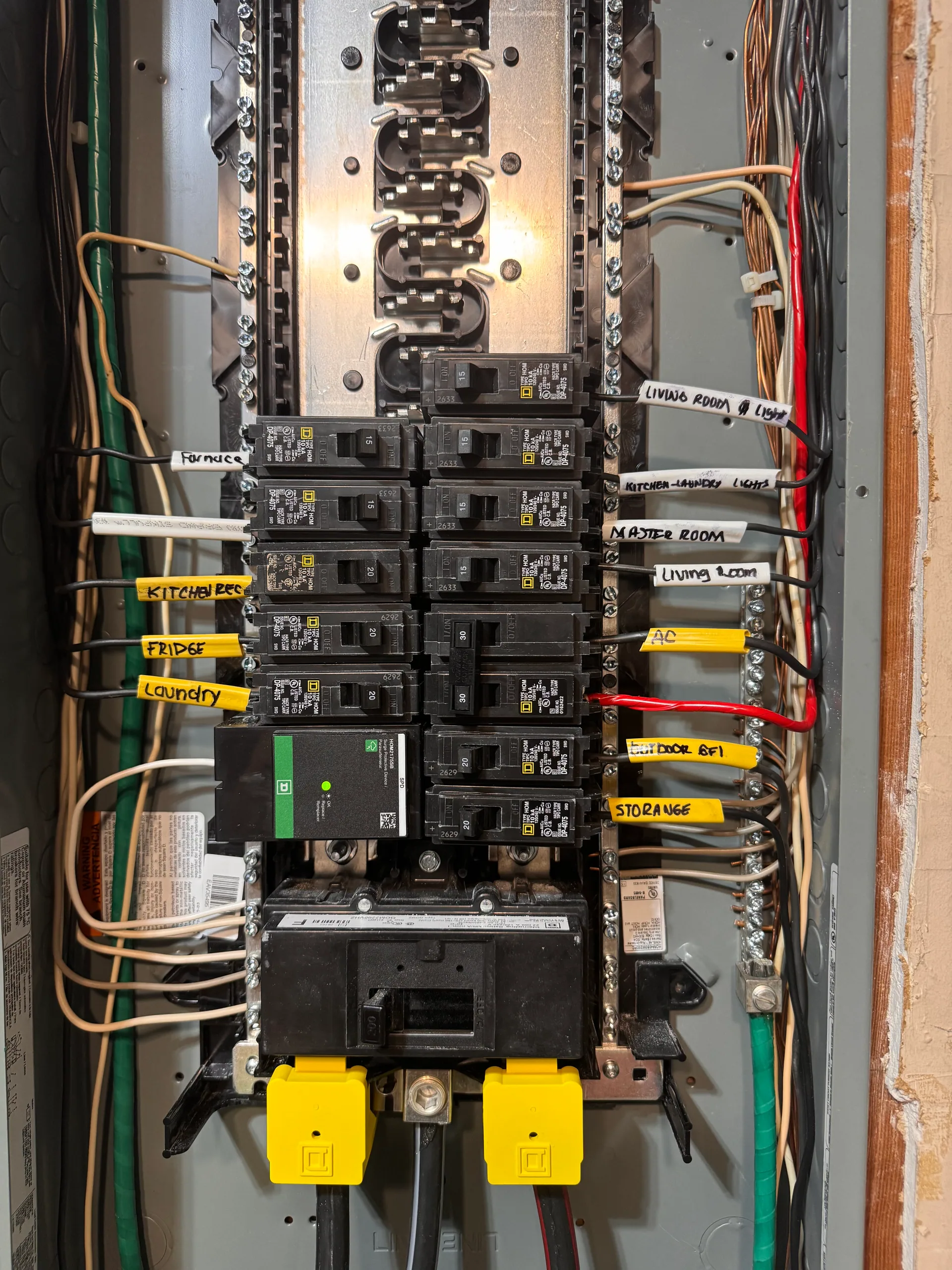
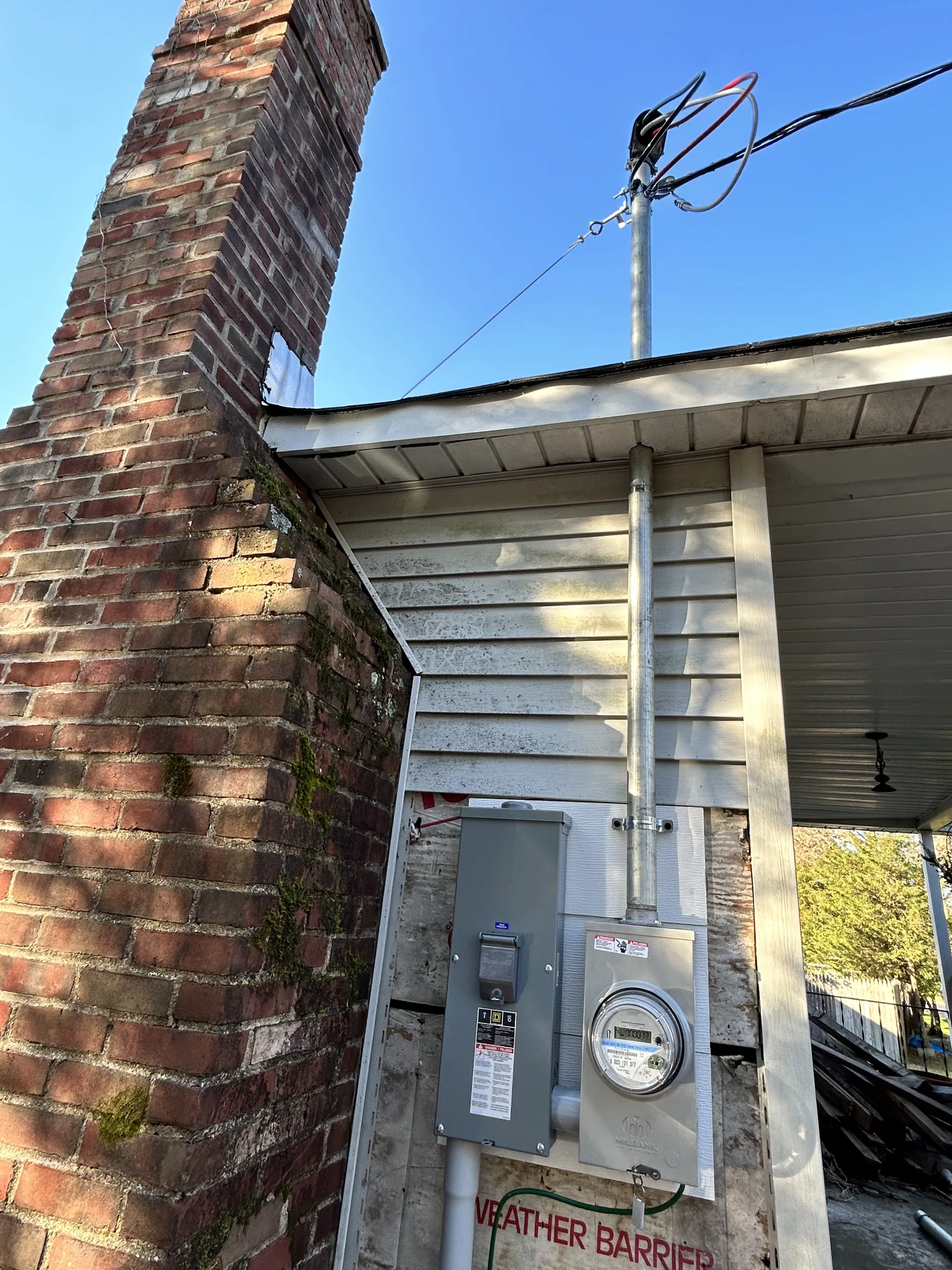
A whole-house surge protector mounts at your electrical panel and stops large voltage spikes before they reach your circuits. When a surge arrives, the device sends the extra energy safely to ground in a tiny fraction of a second. Lightning, coastal storms, downed lines and utility switching can all send surges into a home, and large appliances cycling on and off create smaller ones every day.
Plug-in surge strips still have a place, but they only protect what is plugged into them. A panel-mounted device protects everything at once, including hardwired equipment like HVAC systems, well pumps, garage door openers and appliance control boards that a power strip cannot reach. The best protection uses both: a whole-house device at the panel and quality strips at sensitive electronics.
Surge protection only works with a good ground. Every time we install a surge device, we also check the grounding system, because a weak ground can leave the protector with nowhere to send the energy.
Hardwired Smoke and Carbon Monoxide Detectors
Hardwired smoke alarms run on household power with a battery backup, and they are interconnected so that when one sounds, they all do. We handle hardwired smoke detector installation in new spaces, replacement of aging units and relocation when a renovation changes a room's layout. Most manufacturers recommend replacing smoke alarms about every ten years, since the sensors lose sensitivity over time.
Carbon monoxide is invisible and has no smell, and it can come from a furnace, a water heater, a gas range, a fireplace or a car in an attached garage. Our carbon monoxide detector installation places alarms near sleeping areas and on each level of the home. Combination smoke and CO units are a good option when replacing older detectors.
Electrical Grounding and Bonding
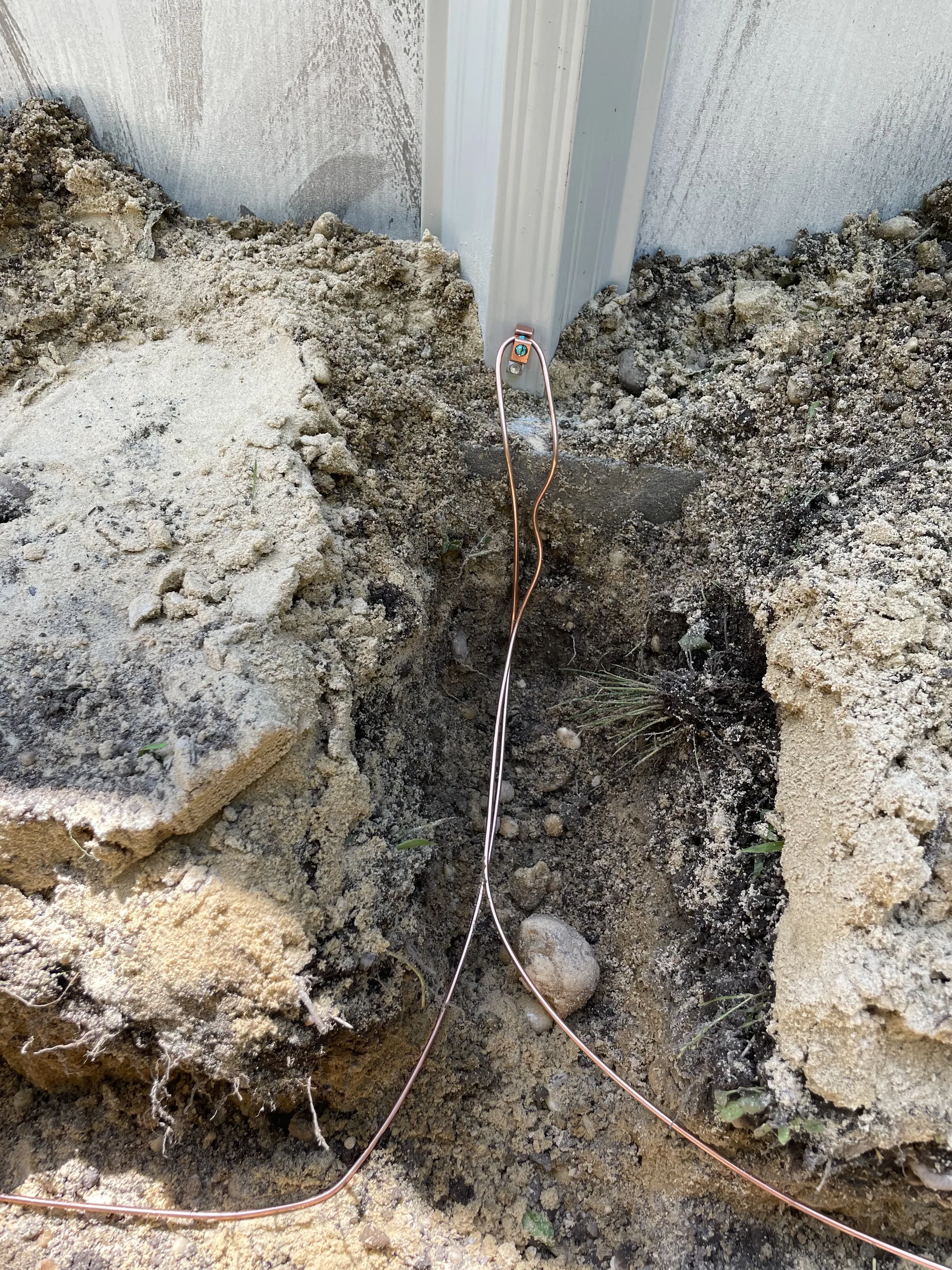
Grounding gives stray electricity a safe path into the earth, and bonding connects metal systems in the house so they stay at the same electrical potential. Together, they help breakers trip when a fault occurs and keep metal pipes and fixtures from becoming energized. Electrical grounding and bonding problems are common in older homes and after plumbing or renovation work disconnects an original ground.
We check the ground rods, the grounding conductor, the connection to the water service and the bonding of gas and water piping. Corroded clamps and loose connections are common near the shore, where salt air wears on exposed metal. When we find a problem, we correct it and verify the results. Grounding faults rarely show symptoms, so a test is the only way to know.
Indoor GFCI Outlet Installation
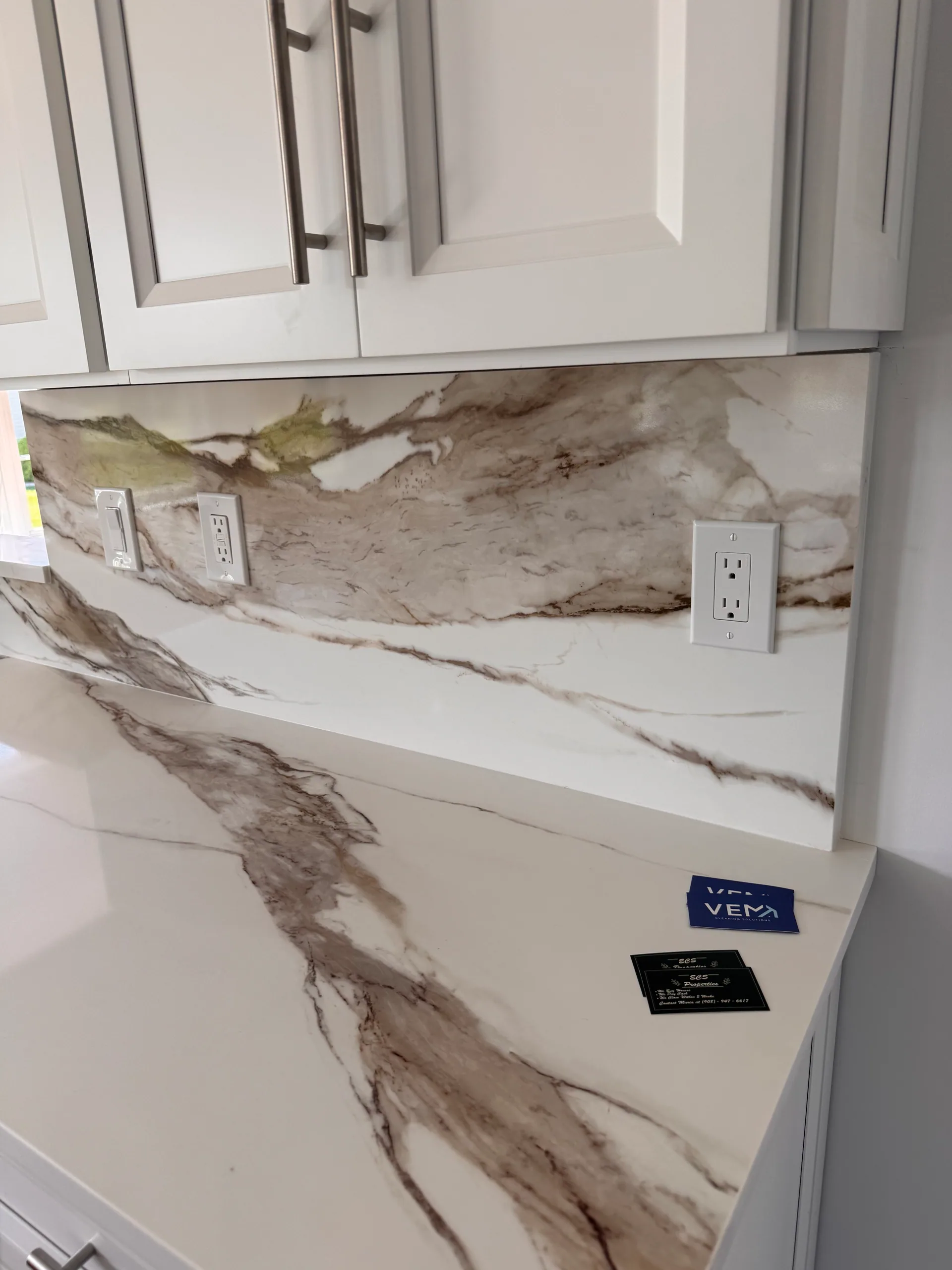
GFCI outlets watch the current flowing through a circuit and cut power the instant they sense a leak to ground, the kind of leak that can pass through a person. They belong in kitchens, bathrooms, laundry areas, unfinished basements, garages and anywhere water is nearby. Our GFCI outlet installation work covers new devices, replacements of worn units and breaker-level protection for whole circuits.
Older homes often have no GFCI protection at all, or devices that no longer trip when tested. We test each one and replace those that fail. Every new device is checked with a plug-in tester and with its own test button. Outdoor outlets have their own needs, and our pool and outdoor electrical service covers weather-resistant protection outside.
What Affects the Cost of Electrical Safety Upgrades
We price safety work after a free walkthrough, because every home starts from a different place. The main factors are:
- The type of surge device and the condition of your panel
- The number of detectors and whether new wiring is needed
- How many outlets or circuits need GFCI protection
- The extent of any grounding or bonding corrections
- Access to wiring in finished walls and ceilings
- Permit and inspection requirements in your township
We list each item separately so you can tackle the most urgent ones first. Combining several upgrades into one visit usually costs less than calling for each separately. Whole house surge protection in Brick, NJ is often a quick addition when other panel work is already planned.
Why Families Trust Us With Electrical Safety
Safety work is about the details: the right device in the right place, connected correctly and tested before we leave. We explain every finding plainly, recommend the fix that fits and never push upgrades you do not need. Our whole house surge protection Brick NJ estimates are always free and come with a written list of findings. Every surge job includes a check of your panel and grounding, so the device has what it needs to work.
We are locally owned and based in Brick Township, and Leo Agudelo leads the work himself. We arrive on time, treat your home with respect and leave it clean, with every new device labeled and tested.
Surge Protection and Safety Across Ocean County
Storms and aging wiring affect homes throughout the region, and we bring the same careful approach well beyond Brick Township. We install surge protection and detectors for homeowners in Lakewood and Toms River.
Along the coast, we upgrade grounding and safety devices for families in Belmar and Spring Lake, where salt air and older homes make regular checks especially worthwhile. Older houses often have two-prong outlets and missing grounds, while newer ones are packed with sensitive electronics. Families choose whole house surge protection in Brick, NJ and nearby towns for the same reason: one device at the panel guards everything in the house. We test and label every device before we leave, and the whole house surge protection Brick NJ families choose is backed by a free estimate.
Surge Protection and Detector Questions
Still not sure? Call and describe what is going on, and Leo will tell you whether a visit makes sense.
(732) 621-0778Does Whole-House Surge Protection Replace Power Strips?
No, the two work together. A whole-house device at the panel stops large surges from entering through the service and protects hardwired equipment. Quality plug-in strips add a second layer at computers, televisions and other sensitive electronics, catching smaller spikes created inside the home. Using both gives your equipment the most complete protection at a reasonable cost.
Can a Surge Protector Stop Damage From a Direct Lightning Strike?
No device can promise full protection from a direct strike, which carries enormous energy. A whole-house surge protector is designed for the far more common surges from nearby strikes, storms, downed lines and utility switching. It greatly reduces the risk of damage from those events, which account for most of the surge problems homeowners actually experience.
Can You Move a Hardwired Smoke Detector During a Renovation?
Yes. When a wall comes down or a room changes use, a detector may end up in the wrong place. We relocate the unit, extend the wiring and keep the interconnection with the other alarms so they still sound together. We also confirm the new location suits the layout and test the whole system when we finish.
Why Does My GFCI Outlet Keep Tripping?
A GFCI trips when it senses current leaking to ground, so frequent trips usually point to moisture, a worn appliance cord or a fault further down the circuit. Sometimes the device itself is failing. We test the outlet, check what is plugged into it and trace the circuit to find the cause, rather than just swapping the device and hoping.
Where Should Carbon Monoxide Alarms Go in a House?
Place a carbon monoxide alarm outside each sleeping area and on every level of the home, including the basement. Homes with an attached garage or fuel-burning appliances benefit most. Avoid spots right next to a furnace, a range or a bathroom, where false alarms are more likely. We recommend locations based on your layout during the visit.
Protect What Matters
Give Your Home a Stronger Line of Defense
A surge device, working detectors and solid grounding protect both the people and the equipment in your home. Call us for a free safety walkthrough and a clear, honest plan for what to fix first.